
15 Easy Crafts to Make and Sell for Profit
A few years ago, I never thought I’d make money from crafts.
I used to see people selling handmade items online and think, “Who’s actually buying this stuff?” Then one day, I tried making a few simple candles at home just for fun.
I posted them online, and to my surprise, they sold within a week.
That’s when I realized crafting isn’t just a hobby. It can be a real income source.
The best part about selling crafts is that you don’t need a big budget or fancy equipment.
Most of these ideas can be started from your kitchen table, bedroom, or small workspace.
You can begin with basic tools, learn as you go, and improve over time. That’s exactly how I started slowly, with mistakes, and lots of trial and error.
In this guide, I’ll share 15 easy crafts that are beginner-friendly and profitable.
I’ll also include honest tips, things I’ve learned, and what actually works in real life, so you don’t waste time or money on things that don’t sell.
1. Handmade Candles
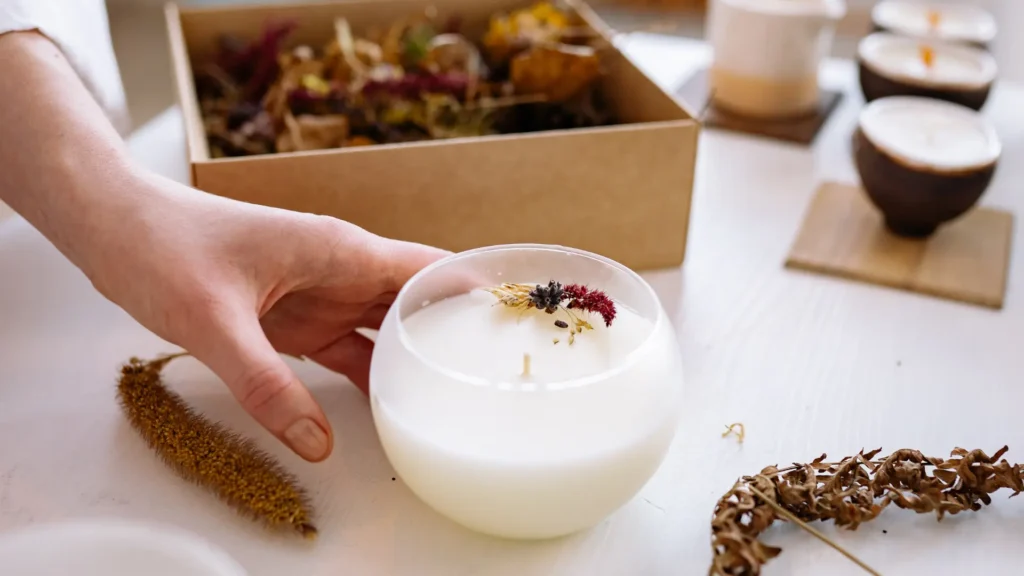
Handmade candles were the first craft I ever sold, so this one is close to my heart.
I started with basic soy wax, a few scents, and some old glass jars from my kitchen.
At first, my candles didn’t look perfect. Some had air bubbles, and some scents were too strong. But people still bought them because they loved the handmade feel.
One big reason candles sell so well is that people buy them for many reasons: home décor, gifts, relaxation, and even self-care.
When I began offering “stress relief” and “sleep” scented candles, my sales increased. Buyers connect emotionally with candles, not just practically, and that helps boost profits.
From my experience, presentation matters a lot. Simple labels, clean jars, and neat packaging can double your sales.
Handmade candles usually sell for $12–$30, depending on size and scent.
Once you get consistent, this craft can easily turn into a steady monthly income.
2. Custom Jewelry
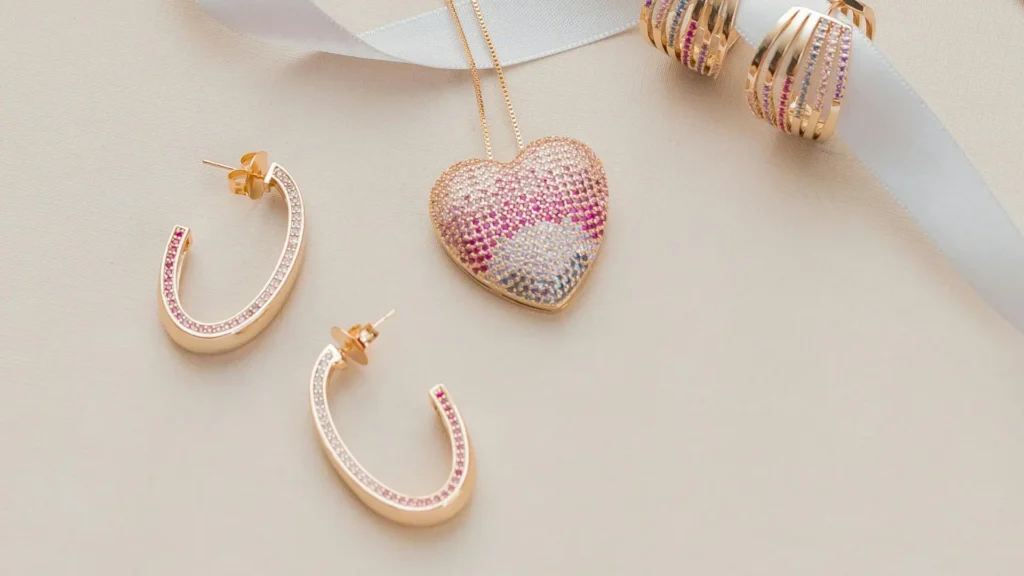
Custom jewelry is another craft that sells surprisingly fast. I once made a few simple bead bracelets for friends, and they kept asking for more. Eventually, I realized I could sell them online.
That’s when I started experimenting with colors, charms, and personalized initials.
What I love about jewelry is how flexible it is. You can create trendy pieces, minimalist designs, or sentimental items.
People love buying jewelry as gifts, especially when it includes names, dates, or special messages. That emotional connection makes customers willing to pay more.
Handmade jewelry can sell anywhere from $10 to $60 per piece. My biggest tip is to focus on quality photos.
Good lighting and clear pictures helped me attract more buyers than fancy designs. If your jewelry looks professional online, people trust your brand faster.
3. Painted Mugs
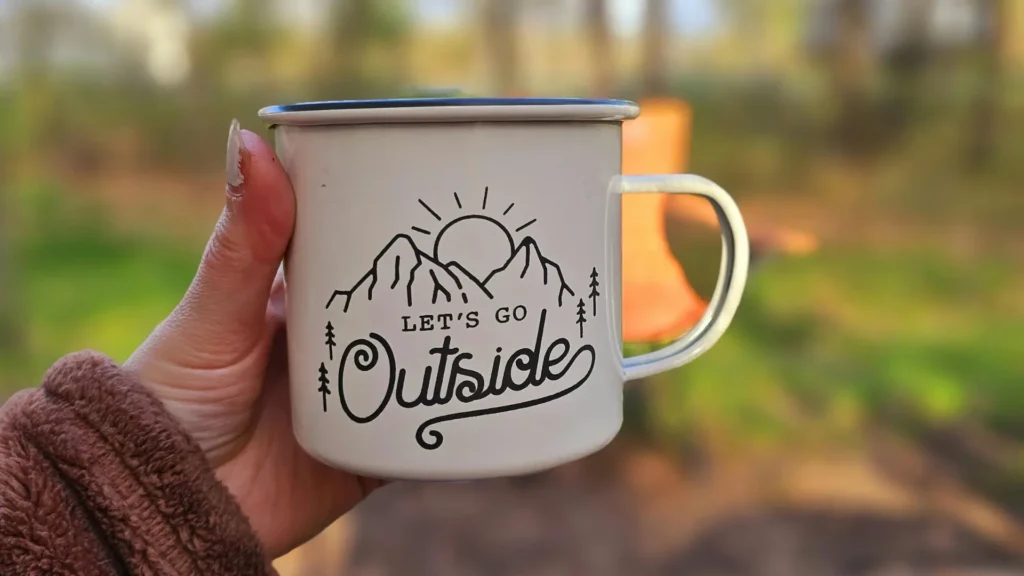
Painted mugs are fun, relaxing, and beginner-friendly. I started making these on weekends when I wanted something creative but easy.
At first, I practiced by writing simple quotes like “Good Morning” or “Coffee Lover.” Those basic designs sold faster than my complicated ones.
The biggest advantage of mugs is personalization. When someone orders a mug with their name or favorite quote, it feels special to them.
I noticed that personalized mugs almost always sell better than generic ones. People love owning something made just for them.
Most handmade mugs sell for $10–$25. My advice is to always test your paint properly so it doesn’t fade.
Happy customers often come back and order more for friends and family, which helps you grow without spending extra on marketing.
4. Handmade Soaps
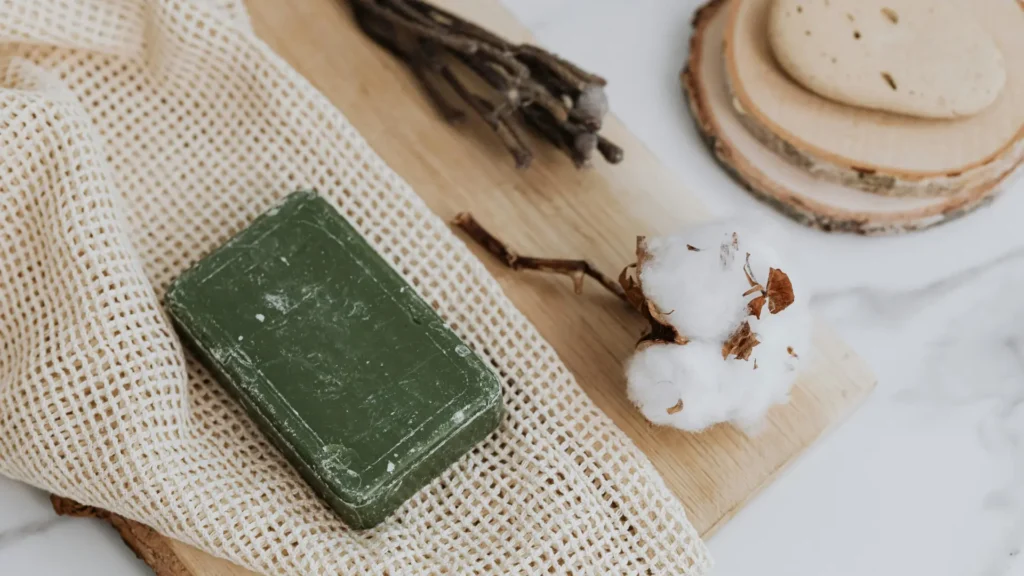
When I first tried making soap, I thought it would be complicated. But honestly, once you learn the basics, it becomes addictive.
Mixing colors, scents, and textures feels like doing a science experiment at home. I messed up my first batch, but I learned quickly.
Handmade soaps sell well because people associate them with natural care and luxury.
When I started adding ingredients like honey, oatmeal, and lavender, customers showed more interest.
They felt like they were buying something healthier than store-bought soap.
Small soap bars usually sell for $5–$12, and gift sets sell for much more. From experience, bundles work best.
Selling three or four soaps together increases your profit and makes buyers feel like they’re getting a better deal.
5. Greeting Cards
Handmade greeting cards were something I underestimated at first. I thought people would just buy cheap cards from stores.
But I was wrong. Many people prefer personal, meaningful cards, especially for birthdays, weddings, and anniversaries.
I started making simple watercolor cards with handwritten messages, and they sold surprisingly well.
Customers told me they loved giving something “different” instead of mass-produced cards. That feedback motivated me to keep improving my designs.
Cards usually sell for $3–$8 each, but sets sell even better. If you create themed packs, like birthday sets or holiday bundles, you can increase your average order value easily.
6. Decorative Wall Art
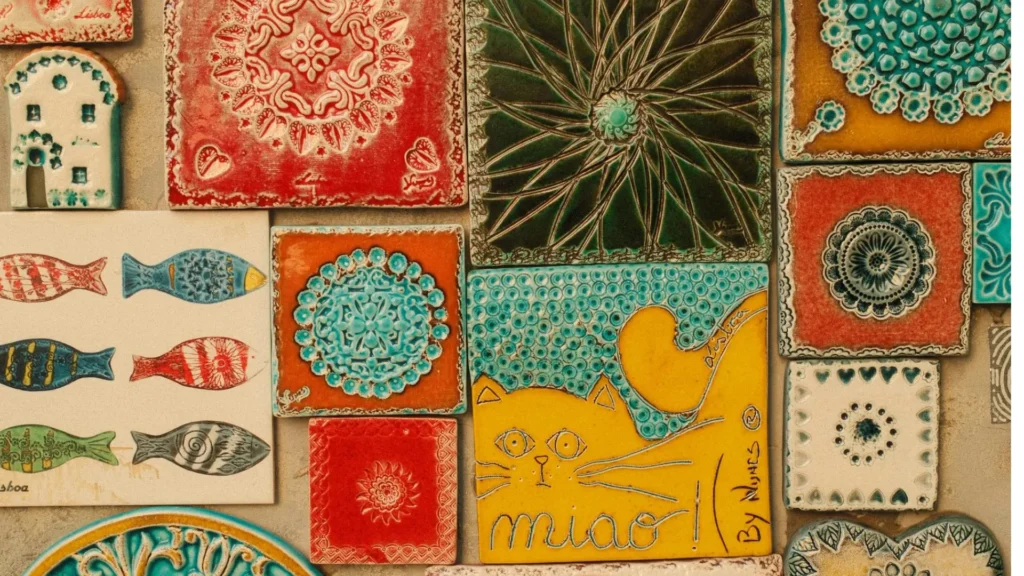
Decorative wall art was one of those crafts I tried when I felt stuck creatively.
I grabbed some cheap canvases, acrylic paints, and just started experimenting.
Some pieces turned out terrible, honestly. But a few looked surprisingly good, and when I posted them online, people actually asked if they were for sale. That moment gave me a big confidence boost.
What I love about wall art is that there are no strict rules. You can paint quotes, abstract patterns, landscapes, or minimalist designs.
Many buyers want something unique for their walls instead of mass-produced prints. When I started offering custom names and colors, my orders increased noticeably.
Small canvases usually sell for $15–$40, while bigger or custom pieces can go much higher. From my experience, good lighting in photos makes a huge difference.
Even simple artwork looks premium when you photograph it well.
7. Tote Bags & Fabric Crafts
Tote bags were one of the easiest crafts for me to start because I already had basic sewing skills.
I began by customizing plain cotton bags with fabric paint and simple designs.
At first, I just made them for myself, but strangers started asking where I bought them. That’s when I realized there was real demand.
People love reusable bags because they’re practical and eco-friendly. When you combine usefulness with cute or meaningful designs, buyers feel like they’re getting more value.
I noticed that motivational quotes and floral patterns sold better than random designs.
Handmade tote bags usually sell for $15–$35. My tip is to keep your designs simple at first. Clean, minimal styles often sell better than complicated ones, especially for beginners.
8. Keychains & Small Accessories
Keychains were my “test product.” Whenever I wanted to try a new design idea, I used keychains first.
They’re cheap to make, fast to produce, and easy to ship. This helped me learn what customers liked without risking much money.
You can make keychains using resin, clay, leather, wood, or acrylic. Personalized name keychains were my best sellers.
People love small, customized items, especially as gifts. Even something simple feels special when it has a name on it.
Most keychains sell for $3–$12 each, but bundles work better. Selling sets of three or five increases your profit and encourages bigger orders. It’s a small product with big potential when done right.
9. Planters & Miniature Gardens
Mini planters and terrariums were something I started during a phase when I got obsessed with houseplants.
I mixed that hobby with crafting and began creating tiny garden setups in glass jars and ceramic pots. People loved them because they looked cute and relaxing.
These products feel “premium” to buyers. A small plant in a decorated pot feels more special than buying a plain one from a store.
Adding little figurines, stones, or moss makes them even more attractive.
Small planters usually sell for $10–$25, and detailed terrariums can go for $40+. My advice is to learn basic plant care first. Healthy plants mean happy customers and repeat buyers.
10. Handmade Photo Frames
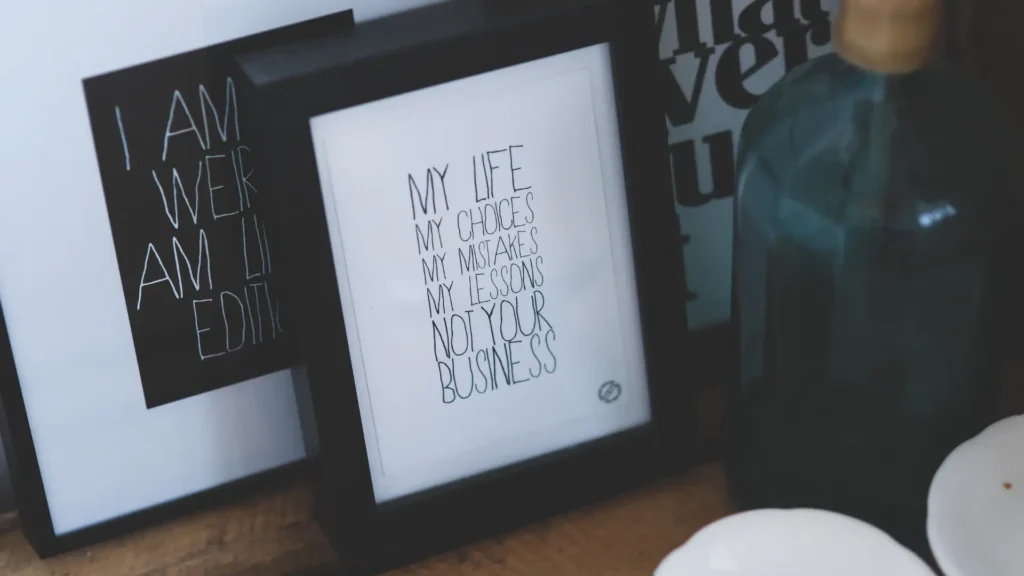
I started making photo frames when I wanted to give personalized gifts to friends. I decorated plain wooden frames with paint, beads, and quotes.
Everyone loved them, and soon people started asking me to make frames for birthdays and anniversaries.
Photo frames sell well because they’re emotional products. People buy them for memories, not just decoration.
When you add names, dates, or messages, the value increases automatically. Buyers are willing to pay more for something meaningful.
Handmade frames usually sell for $12–$30. My tip is to focus on neat finishing. Clean edges, strong backing, and good packaging make your frames look professional and boost customer trust.
11. Handmade Journals & Notebooks
Handmade journals were something I started making when I felt tired of digital screens. I wanted something physical, something calming.
So I bought some thick paper, cardstock, and learned basic binding from online videos. My first few notebooks were messy, but I kept practicing, and slowly they started looking professional.
Many people love handmade journals because they feel personal. Writers, students, and planners enjoy using something that doesn’t look “factory-made.”
When I added themes like gratitude journals and daily planners, customers connected more emotionally with the product. That connection really boosts sales.
Handmade notebooks usually sell for $12–$35, depending on size and design. From my experience, simple covers with clean layouts sell better than overcrowded designs. A neat, minimal style makes your product look premium.
12. Resin Art & Jewelry
When I first tried resin art, I honestly made a huge mess. My table was sticky, bubbles ruined my designs, and I wasted material.
But after learning proper mixing and curing techniques, everything changed. Resin became one of my most profitable crafts.
Resin items look shiny, modern, and expensive. That’s why customers love them. You can make coasters, keychains, trays, and jewelry that look like luxury products, even though the materials are affordable.
Adding flowers, glitter, or photos inside resin makes each piece unique.
Resin products usually sell for $10–$50 or more. My biggest advice is patience. Rushing resin work leads to mistakes.
When you take your time, your products look professional and attract higher-paying customers.
13. Personalized Phone Cases
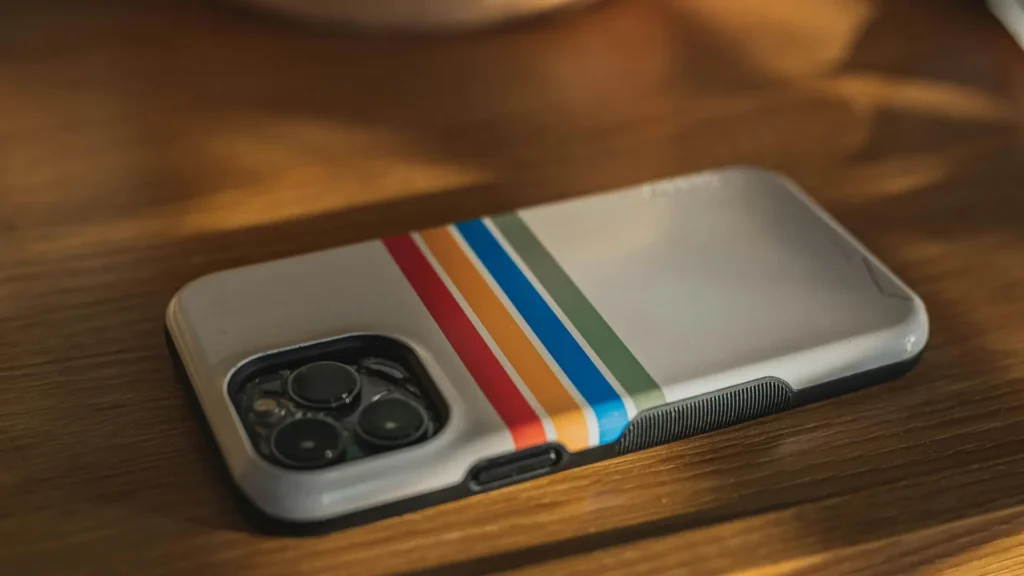
Personalized phone cases became popular for me when I noticed everyone around me loved customizing their phones.
I started designing simple name-based and aesthetic designs using basic tools, and they sold surprisingly fast.
People treat their phones like personal accessories, so they’re willing to spend money on something unique. Custom names, photos, or quotes make cases feel special. That emotional connection helps you stand out in a crowded market.
Custom phone cases usually sell for $15–$30. My tip is to focus on durability. Good-quality cases get better reviews, and good reviews bring more buyers without extra marketing.
14. Clay Crafts & Figurines
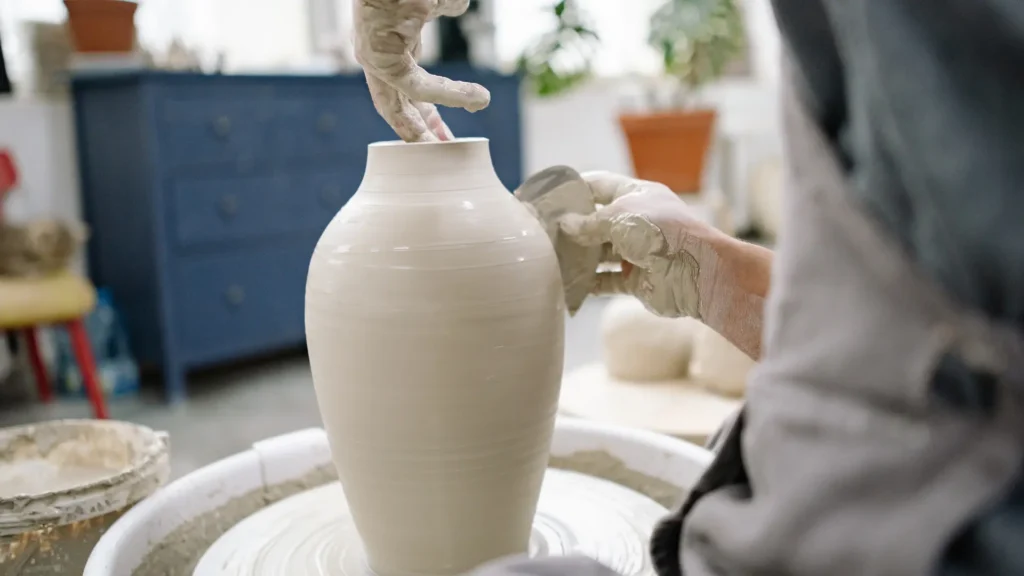
Working with clay is relaxing and creative. I started with air-dry clay because it’s beginner-friendly and doesn’t need expensive equipment. My first figurines looked funny, but people still found them cute and charming.
Clay crafts sell well because they feel artistic and handmade. You can create animals, mini characters, jewelry dishes, or decorative pieces.
Custom figurines are especially popular for gifts and special occasions.
Clay items usually sell for $8–$40, depending on size. My advice is to seal your finished products properly. A good finish makes your crafts last longer and improves customer satisfaction.
15. Digital Art Prints
Digital art prints were a game-changer for me because they don’t require shipping. I created designs on my laptop, uploaded them online, and people downloaded them instantly. It felt amazing to earn money while sleeping.
You can design wall quotes, planners, illustrations, or minimalist art. Once uploaded, these products can sell repeatedly without extra work.
That makes digital prints one of the best semi-passive income crafts.
Digital prints usually sell for $3–$15 per download.
My biggest lesson here was branding. A consistent style helps buyers recognize and trust your work, leading to repeat sales.
Final Thoughts
Starting a craft business doesn’t require perfection, expensive tools, or years of experience. I learned this the hard way.
Every successful craft I sold began with mistakes, failed attempts, and learning through practice. What mattered most was consistency and willingness to improve.
These 15 crafts prove that creativity can turn into real income when paired with patience and smart marketing.
Whether it’s candles, journals, resin art, or digital designs, each idea offers an opportunity to grow at your own pace.
You don’t need to master everything, just start with one craft and build from there.
Most importantly, enjoy the process. When you love what you create, it shows in your work, and customers notice.
Start small, stay consistent, listen to feedback, and keep learning.
With time, your hobby can become a profitable and fulfilling business.